Physical Address
304 North Cardinal St.
Dorchester Center, MA 02124
Physical Address
304 North Cardinal St.
Dorchester Center, MA 02124

Ever wondered why your dentist mentions “dressing” during a root canal, and if it’s as complicated as it sounds for treating that nagging tooth infection? Root canal dressing treatment is a simple, temporary step where a medicated paste is placed inside the cleaned tooth canals to fight bacteria, reduce inflammation, and prepare for the final seal—think of it as a soothing bandage for your tooth’s insides, helping heal between visits without major discomfort. Perfect for beginners nervous about the process, this easy guide breaks down what it really is, how it’s done, why it’s crucial for saving infected teeth, and tips to make your experience smooth.
What Exactly Is Root Canal Dressing?
It’s a medicated material put in the tooth’s canals after initial cleaning in a root canal procedure. This “dressing” disinfects, calms irritated tissues, and prevents reinfection while you wait for the final filling. Often used in multi-visit treatments for stubborn infections, it’s like a temporary plug to let healing kick in.
Why It’s Used in Root Canals
For infected teeth with pulp issues from decay or injury, dressing helps kill lingering bacteria and reduce swelling. It buys time for symptoms to ease before sealing, boosting success rates over 95%. Without it, infections might flare up, leading to abscesses or tooth loss. Dentists opt for it when one visit isn’t enough.
Common Materials for Dressing
Calcium hydroxide is the go-to—it’s antibacterial, promotes healing, and easy to remove later. Other options like antibiotic pastes or iodoform tackle tough cases. They’re biocompatible, meaning low irritation risk, and chosen based on infection type.
The Procedure Made Simple
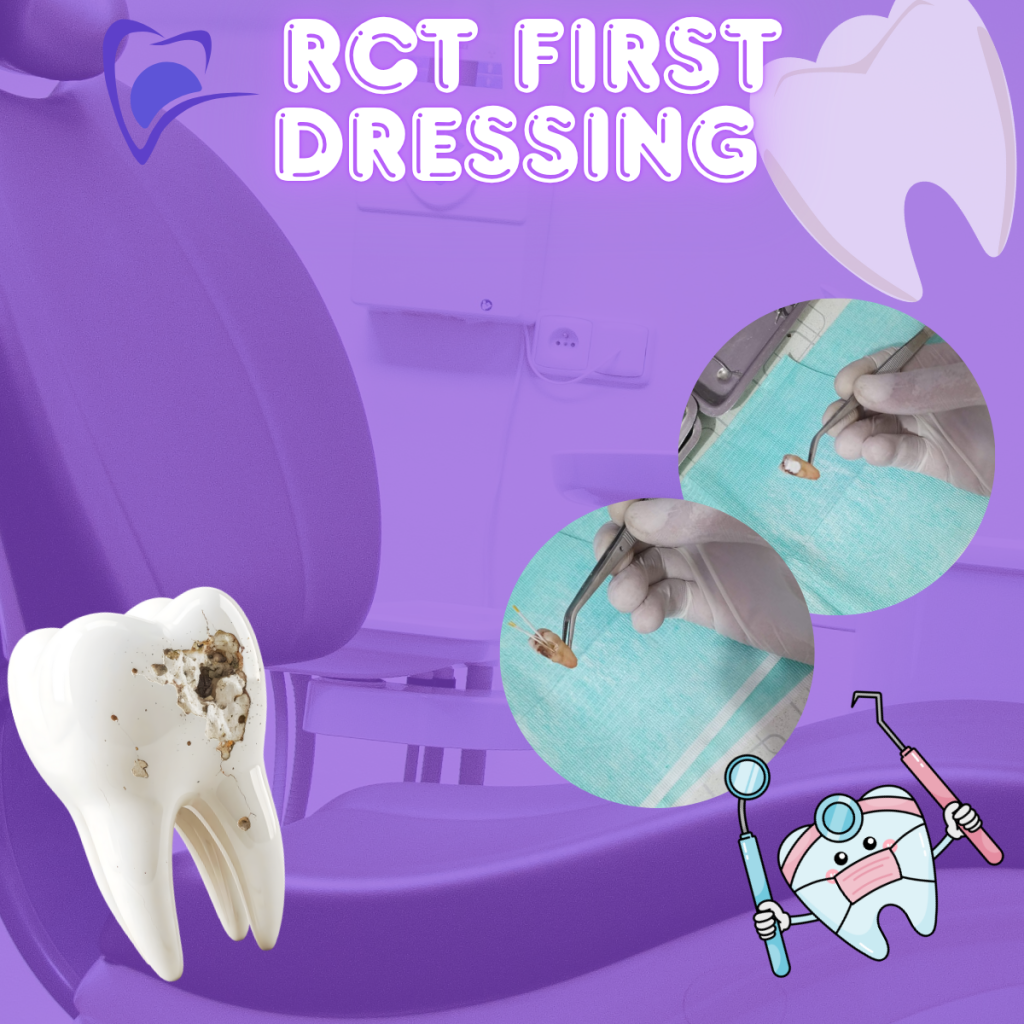
During your root canal, after numbing and cleaning canals, the dentist applies the dressing paste with fine tools, seals with a temp filling. You go home for 1-2 weeks while it works. Next visit removes it, checks healing, then permanent seal. Quick and painless with local anesthesia.
1. On the first root canal visit, we pop open the tooth’s pulp chamber to get inside.
2.Once it’s open, we clean out the canals real good using files to scrape away the junk.
3.We shape the canals nicely with reamers and flush ’em out with plain saline solution.
4.Then, we dab some cresotin on paper points and stick ’em in for the initial dressing.
5.If pain kicks in, we tell the patient to take a painkiller.
6.Like Orno 8mg tablets.
Aftercare Tips
Soft foods first day, avoid chewing on that side. Rinse gently with saltwater if okayed. Take pain relievers for mild soreness. Watch for worsening swelling—call if fever hits. Good oral hygiene speeds things up; no smoking to aid healing.
When It’s Not Needed
For mild cases, single-visit root canals skip dressing with immediate sealing. But for deep infections or if symptoms persist, it’s key. Your dentist decides after X-rays.
FAQs About Root Canal Dressing Treatment
Does it hurt?
Minimal—numbing covers during; slight ache after fades quick with meds.
How long does dressing stay in?
1-4 weeks usually, depending on healing—dentist monitors.
Is it safe?
Yes, materials are tested and biocompatible; rare allergies discussed upfront.
What if dressing falls out?
Don’t panic; rinse mouth, call dentist for quick fix to avoid bacteria.
Can kids get it?
Sure, for infected baby teeth—gentle and helps save space for permanents.
Wrapping up this easy guide to root canal dressing treatment, it’s clear this simple step is a real game-changer for calming infections and paving the way for a full heal—giving your tooth that medicated boost it needs between visits to fight bacteria and ease discomfort without the big drama. For beginners, knowing it’s temporary, safe, and quick makes the whole root canal journey less intimidating, setting you up for a stronger, pain-free smile in the end. If this breakdown has you feeling more prepared for your appointment, chat with your dentist about it soon.
