Physical Address
304 North Cardinal St.
Dorchester Center, MA 02124
Physical Address
304 North Cardinal St.
Dorchester Center, MA 02124

Ever wondered what that “creosote dressing” is your dentist talks about during a root canal for stubborn infections, and if it’s as old-school as it sounds? Root canal dressing with creosote—often beechwood creosote, a natural antiseptic from wood— is a medicated solution applied to cleaned tooth canals to kill bacteria, reduce inflammation, and disinfect deeply, serving as a temporary barrier that helps heal the root before the final seal. It’s been a go-to in endodontics for years thanks to its strong antimicrobial punch and pain-soothing properties, ideal for cases with persistent pus or vital pulp issues. In this straightforward explainer, we’ll cover what creosote dressing really is, how it’s used, its pros and cons, and why it might be the right choice for saving an infected tooth.
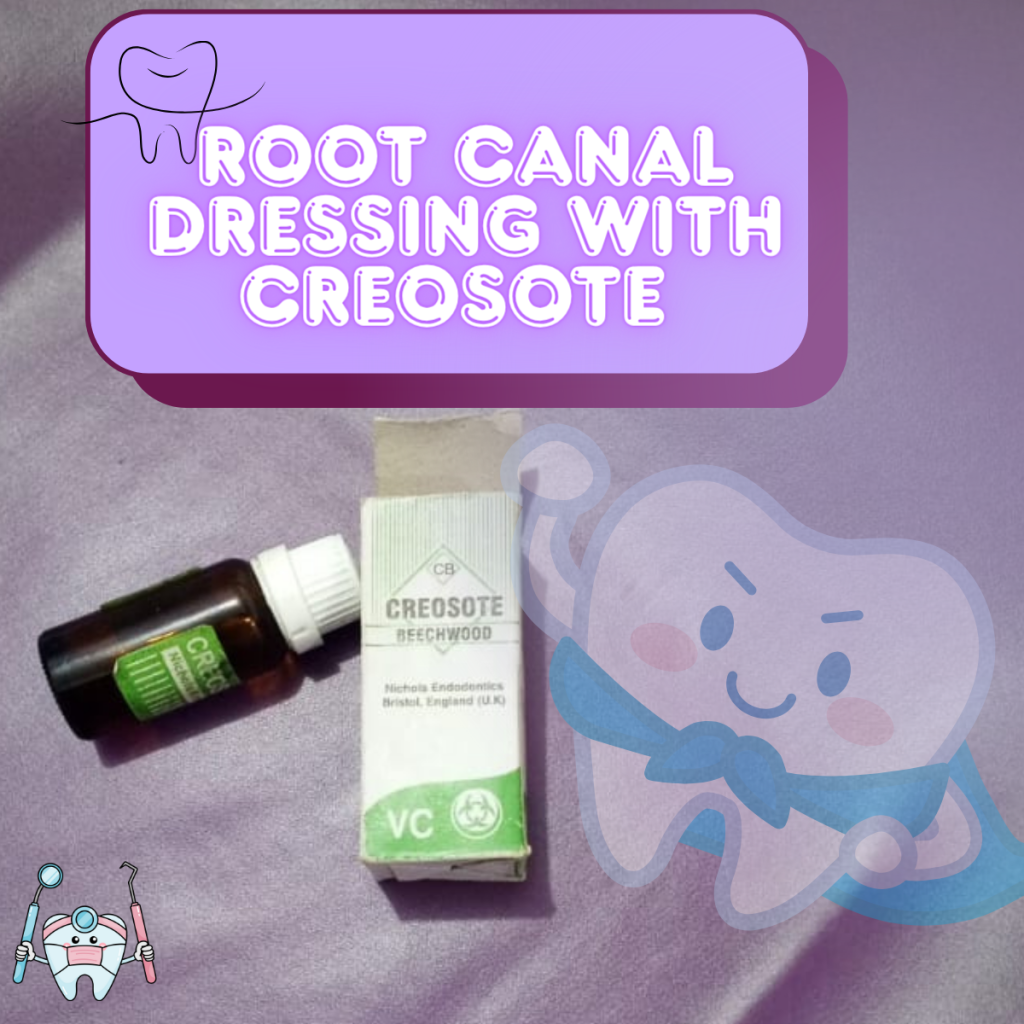
What Creosote Dressing Really Is
Creosote is an oily liquid from wood tar, used in root canal dressings to sterilize canals. It’s mixed with other compounds for a paste that’s placed after initial cleaning, acting as a temporary fill to fight infection and promote tissue repair. Common in multi-visit treatments for chronic cases or vital teeth, it’s especially useful when immediate sealing isn’t possible.
Why Use It in Root Canals
For infections from deep decay or trauma, creosote penetrates to kill stubborn bacteria like enterococcus, reducing pain and swelling. It helps form a hard barrier at the root tip, encouraging healing without extraction. Dentists choose it for its reliability in tough infections, boosting success rates over 90% when combined with proper cleaning.
The Application Process
After numbing and canal cleaning, the dentist applies the creosote mixture with fine tools, seals with a temp filling. You return in 1-2 weeks for removal and final seal—quick, with little discomfort thanks to anesthesia. It’s part of standard endodontic care for persistent issues.
1.In root canal treatment, once we open the tooth chamber, we drop a bit of Cresotin into the canal and carefully ream it out with files for a thorough clean.
2.Adding those Cresotin drops and reaming with H or K files gets the canal super clean.
3.We dab Cresotin liquid on some cotton and tuck it inside the tooth—that knocks the pain out pretty fast.
4.On top of that, we suggest a painkiller for the patient, like Orno 8mg tabs.
Benefits of Creosote
Strong antiseptic action kills microbes fast, soothes nerves for pain relief, and is cost-effective for interim use. Good for vital pulp or kids’ teeth, allowing natural healing. Its clove-like scent is a bonus for masking odors from infection.
Potential Drawbacks
Can irritate if allergies to phenols exist, or discolor teeth slightly. Not for long-term—must be removed or it hardens too much. Modern alternatives like calcium hydroxide are sometimes preferred for less toxicity.
Aftercare Tips
Soft foods first day, gentle saltwater rinses after 24 hours. Avoid hard chewing on that side. Watch for worsening pain—call if fever appears. Good hygiene speeds recovery; follow-ups ensure no issues.
FAQs About Creosote Root Canal Dressing
How long does it stay in?
1-4 weeks typically, depending on healing progress.
Does it hurt?
Minimal with numbing; mild ache after fades quick.
Is it safe?
Yes for most, but discuss allergies; not for everyone due to phenols.
What if it falls out?
Rinse mouth, see dentist fast to prevent bacteria return.
Better than other dressings?
Creosote’s great for tough infections; calcium hydroxide is milder for vital cases.
Wrapping up this explainer on root canal dressing with creosote, it’s a time-tested, powerful tool for zapping tough bacteria and soothing inflamed roots—giving your tooth the breathing room it needs to heal between visits, all while avoiding extraction and keeping your natural smile intact with minimal fuss. For beginners, grasping its antiseptic strength and easy application turns the root canal process from scary to manageable, setting you up for better outcomes long-term. If this guide has demystified things for your next dental chat, give it a try with your dentist.
