Physical Address
304 North Cardinal St.
Dorchester Center, MA 02124
Physical Address
304 North Cardinal St.
Dorchester Center, MA 02124

Curious about how modern root canal cleaning has become faster, safer, and more predictable—without the old hand-filing fatigue? Using an endomotor with rotary burs is the gold standard today, letting you shape and clean even the trickiest canals with precision, minimal risk of fractures, and way less chair time for your patients. Whether you’re a dental student prepping for clinics or a practitioner wanting a reliable, repeatable technique, this step-by-step guide walks you through everything—from choosing the right burs and glide path to torque settings, irrigation tricks, and avoiding common pitfalls—so you can master clean, smooth canals every single time. Ready to level up your endo game?
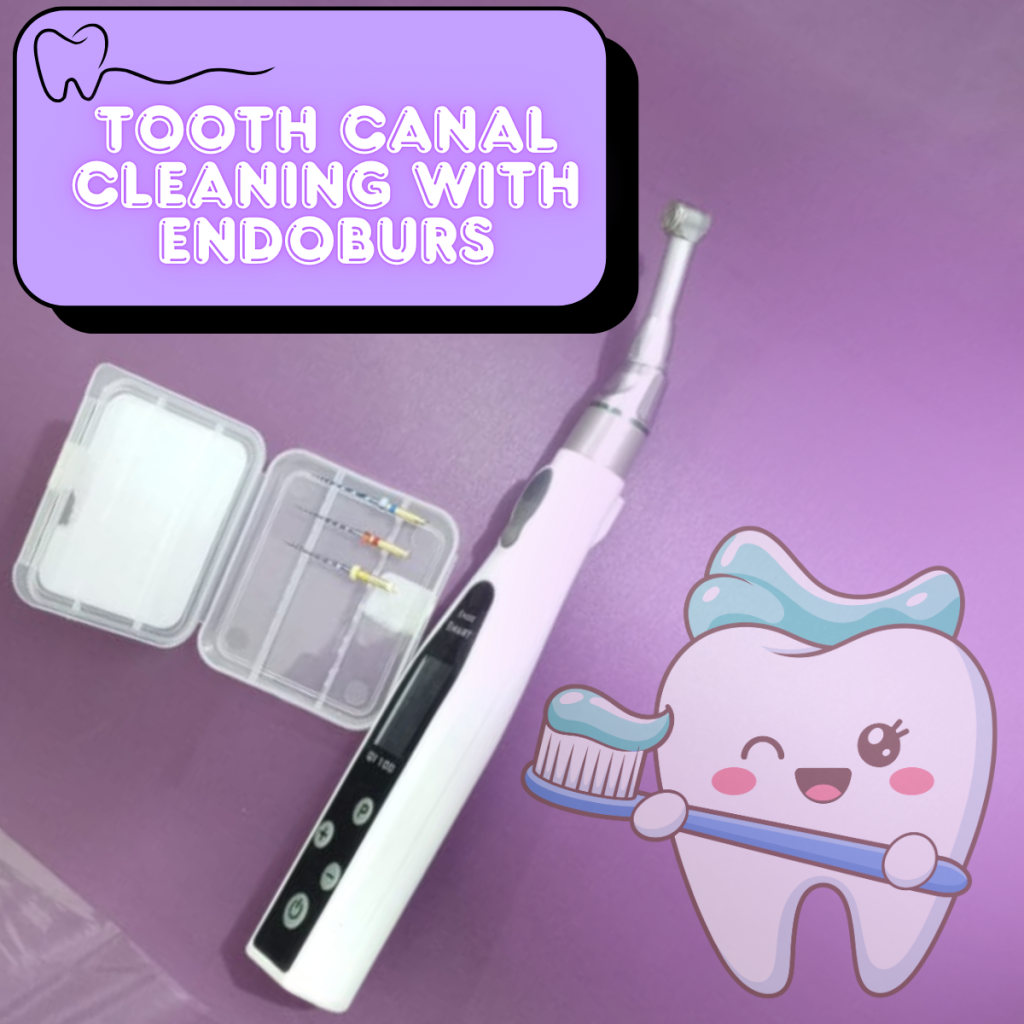
Why Endomotor + Rotary Burs Changed Everything
Hand filing works, but rotary systems with nickel-titanium (NiTi) files cut cleaning time in half and give far better taper and flow. The endomotor’s controlled speed and torque stop files from snapping in curved canals, while heat-treated NiTi stays flexible and resilient. Result? Fewer ledges, better debridement, and happier patients who finish in one visit more often.
Must-Have Tools Before You Start
Endomotor with adjustable torque (0.5–4 Ncm) and speed (150–600 rpm)
Apex locator (essential—don’t guess working length)
NiTi rotary system (ProTaper Gold, WaveOne Gold, TruNatomy, Neoendo, or any heat-treated files you trust)
Gates-Glidden or orifice openers for coronal flaring
Hand files K-files #8, #10, #15 for glide path
Irrigation: 5.25% NaOCl, 17% EDTA, ultrasonic tip if possible
Rubber dam—always
Step-by-Step Cleaning Technique (Crown-Down Approach)
1.Access & Coronal Flaring
Straight-line access first. Use Gates-Glidden #3–#1 or SX/ProTaper opener at 300 rpm to remove coronal restrictions and move pulp chamber debris away from the apex.
2.Working Length
#10 K-file + apex locator. Confirm with periapical radiograph. Subtract 0.5 mm for accuracy.
3.Create Glide Path
Hand files #10 → #15 → #20 (loose at length) or dedicated pathfiles. Never skip this—rotary files hate tight canals.
4.Cleaning & Shaping
Start with S1/SX or opener at 300 rpm, 2–3 Ncm. Work crown-down:
Carry file 2–3 mm short of previous, light pecking motion (2–3 mm amplitude)
Irrigate with NaOCl after every file
Sequence example (ProTaper Gold): S1 → S2 → F1 → F2 (or until desired taper)
Curved canals? Drop speed to 250 rpm and torque to 2 Ncm
5.Irrigation Protocol That Actually Works
5–10 ml NaOCl per canal, activate with ultrasonic or EndoActivator
Final EDTA rinse 1 minute → NaOCl again → saline
Patency file #10 between instruments
6.Final Check
Cone fit radiograph, smooth tug-back, no binding except at apex.
Pro Tips to Avoid Drama
Torque control on—most fractures happen from too much pressure
Single-use files if budget allows; inspect for unwinding
Curved canals <30° → heat-treated flexible systems (TruNatomy, XP-endo)
Always irrigate—files just shape, irrigants clean
One-visit if no swelling/pus; otherwise medicate and close
FAQs – Quick Answers from Real Cases
Which system is easiest for beginners?
WaveOne Gold or Reciproc Blue—single-file, reciprocating motion, very forgiving.
Speed & torque for most NiTi systems?
300 rpm / 2–4 Ncm is safe starting point. Check manufacturer card.
Can I reuse rotary files?
Up to 8–12 canals with heat-treated files if no deformation—sterilize properly.
Patient feels pain during cleaning?
Re-numb with intra-ligamentary or block, slow down, more irrigation.
Best irrigation activation?
Passive ultrasonic irrigation (PUI) with a cordless tip—game changer for smear layer removal.
Wrapping up this step-by-step guide to root canal cleaning with endomotor and rotary burs, mastering the crown-down technique with the right files, torque settings, and irrigation protocol turns a once-dreaded procedure into something predictable, fast, and way kinder on both you and your patients—no more hand fatigue or surprise fractures. Whether you’re a new grad building confidence or a seasoned clinician refining your flow, these tools and tips give you cleaner canals, happier outcomes, and more one-visit cases that keep chairs turning. Ready to put it into practice? Bookmark this, try it on your next molar, and watch your endo game level up.
