Physical Address
304 North Cardinal St.
Dorchester Center, MA 02124
Physical Address
304 North Cardinal St.
Dorchester Center, MA 02124

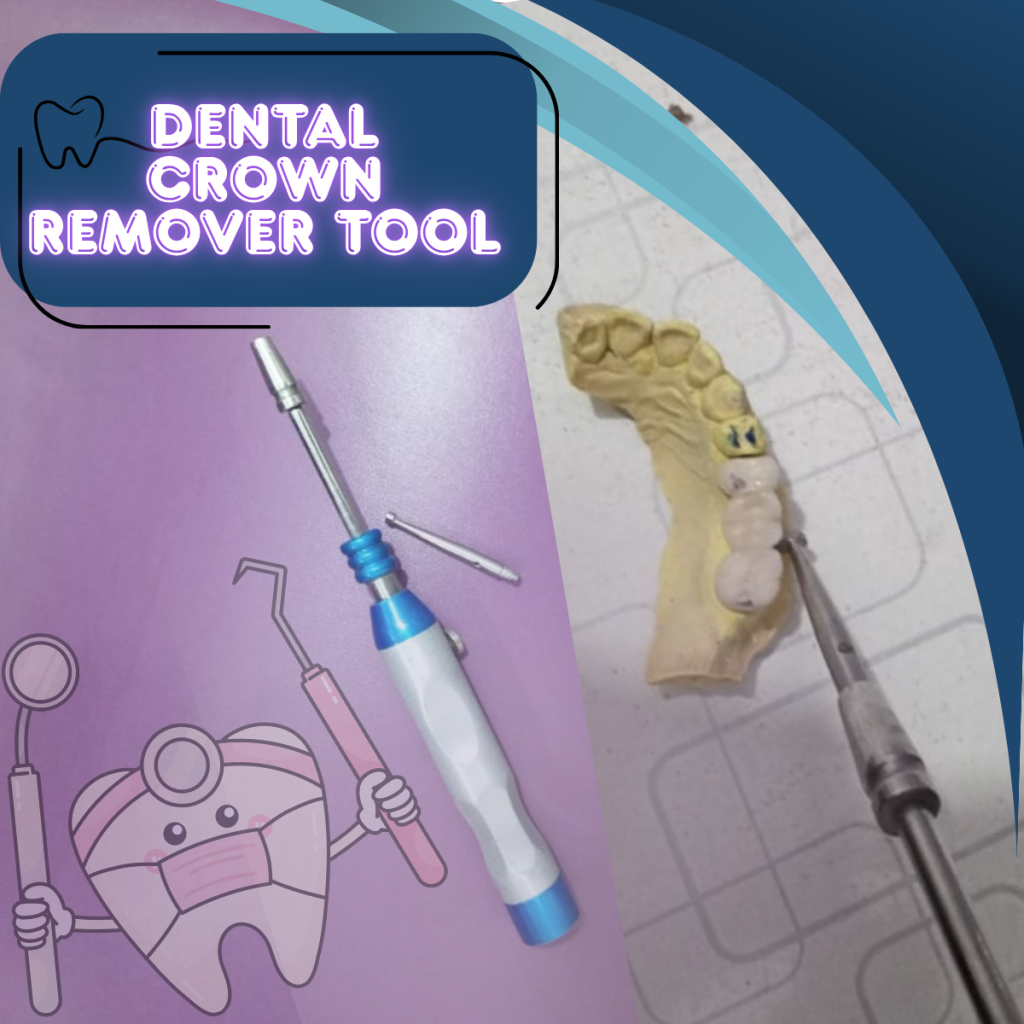
Ever wondered what happens when an old dental crown needs to come off—maybe it’s cracked, loose, or you’re upgrading to a better fit—and how your dentist does it without damaging your tooth underneath? A dental crown remover is a specialized set of tools (think precision pliers, ultrasonic tips, or pneumatic devices) designed to safely cut, lift, or break the cement bond holding the crown in place, making removal quick, controlled, and surprisingly gentle on your natural tooth. Whether it’s a temporary fix or a permanent crown that’s served its time, these tools turn a potentially tricky procedure into a smooth one, preserving as much tooth structure as possible. In this easy-to-follow guide, we’ll break down exactly what a dental crown remover is, the different types, how it works step by step, and why it’s nothing to fear.
Why Would You Need a Crown Removed?
Crowns don’t last forever—average 10-15 years, but cracks, decay underneath, or poor fit mean it’s time for a swap. Sometimes it’s for diagnostics (checking for hidden cracks) or upgrading to zirconia for strength. Removal is common before new crowns, bridges, or implants, and the right tool makes it fast and tooth-friendly.
Main Types of Dental Crown Removers
Manual pliers/grippers – Like the Richwil or Corona—grip the crown edges and rock it off with controlled force.
Sliding hammer or tapper tools – Attach to the crown and use gentle taps to break the cement seal.
Ultrasonic scalers – Vibrate at high frequency to shatter cement without pulling hard.
Pneumatic/air pressure removers – Quick burst of air under the crown margin—super popular for tight fits.
Crown tractors or forceps – Classic twist-and-pull for looser crowns.
Your dentist picks based on crown type (porcelain is fragile, metal tougher) and cement strength.
How the Removal Process Works (Step by Step)
1. Numbing up – Local anesthetic if the tooth is sensitive—most people feel nothing.
2. Protect the crown – If reusable (like gold or temporary), the dentist uses a tool that grips without cracking it.
3. Break the bond – Ultrasonic vibration or a quick cut with a bur along the margin loosens cement.
4. Lift or twist off – Pliers or hammer gently rocks it free—takes seconds to minutes.
5. Clean up – Remove leftover cement, check the tooth, and prep for the new restoration.
Whole thing usually 10-30 minutes, often less painful than getting the crown in the first place.
1.We grab a crown remover when a crown’s already on but causing trouble—like decay underneath or a bad fit—and we need to pop it off without drama.
2.You have to be really gentle with it so it never touches the gums, otherwise it can cut or bruise them badly.
3.The whole point is to use just the right technique so the crown slides off easily—no damaging the crown itself and definitely no hurting the patient’s gums or tooth.
Does It Hurt? (The Real Answer)
Most patients say “that’s it?” With good numbing and modern tools, it’s pressure at worst—no yanking like cartoons. Sensitive teeth might ache a bit after, but ibuprofen handles it. Temporary crowns come off easier than permanent ones.
After Removal: What Happens Next
Tooth gets cleaned, checked for decay, and prepped for a new crown (or temporary while the lab works). You might leave with a plastic temp crown—eat soft foods for a day or two. Full new crown in 1-2 weeks.
Pros of Professional Crown Removal
Saves healthy tooth structure
Reusable crowns (gold ones especially)
Minimal risk when done by pros
Quick recovery—back to normal fast
Any Risks?
Rare, but possible: tooth fracture if heavily decayed underneath, or crown breakage (porcelain shatters easier). That’s why experienced dentists use the gentlest tool for the job.
FAQs About Dental Crown Removers
Can I remove a crown at home?
Absolutely not—special tools and skill needed; DIY risks tooth damage.
How much does crown removal cost?
Often bundled with new crown placement; standalone around $100-300 depending on complexity.
Is it safe for zirconia or porcelain crowns?
Yes—different tools for each to avoid cracks.
What if the crown won’t come off?
Dentist cuts it off carefully—still saves the tooth in most cases.
How long until I get a new crown?
Temporary same day, permanent in 1-3 weeks.
Wrapping up this explainer on dental crown removers, it’s reassuring to know these clever tools turn what sounds like a daunting procedure into a quick, precise, and tooth-friendly process—safely breaking the bond, preserving your natural structure, and paving the way for a fresh, perfect-fitting crown without unnecessary drama or damage. Whether it’s a loose temp or a permanent one ready for an upgrade, modern removers like pliers, ultrasonics, or pneumatic devices make it comfortable and efficient, so you can breathe easy in the chair.
