Physical Address
304 North Cardinal St.
Dorchester Center, MA 02124
Physical Address
304 North Cardinal St.
Dorchester Center, MA 02124

Just finished a root canal and wondering what material your dentist will use to seal and restore the tooth for the long haul—something strong, kind to your gums, or budget-friendly? Glass ionomer cement (GIC) is a popular choice for the final coronal restoration after root canal treatment, releasing fluoride to fight future decay while bonding chemically to tooth structure for a gentle, reliable finish. It’s not always the flashiest option compared to composites or crowns, but its unique perks make it a go-to in many cases, especially for kids or high-caries-risk patients. In this balanced guide, we’ll explore the real pros and cons of finishing root canals with glass ionomer cement, helping you understand if it’s the right fit for your smile.
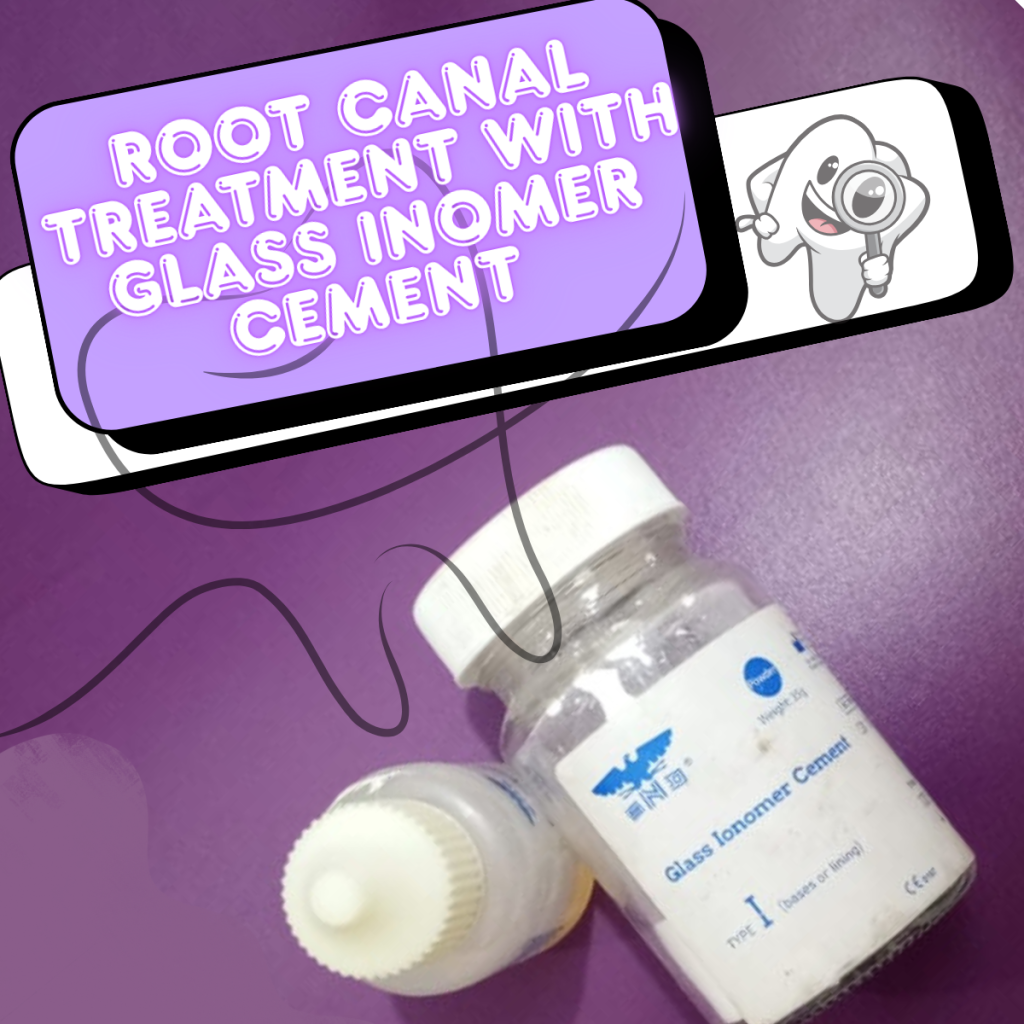
What Glass Ionomer Cement Actually Is
GIC is a tooth-colored material made from glass powder and acrylic acid that sets through a chemical reaction with saliva. After your root canal is cleaned and sealed at the root end, the dentist places GIC in the access cavity (the opening at the top of the tooth) as a base or full restoration. It bonds directly to dentin without extra adhesive, releases fluoride over time, and acts as a protective layer before a permanent crown or onlay if needed.
The Big Pros of Using GIC
Fluoride release – It slowly leaks fluoride, which helps prevent secondary decay around the restoration—perfect for patients prone to cavities.
Chemical bond – Sticks to tooth structure on its own, creating a tight seal that reduces microleakage and sensitivity.
Kind to pulp – Low irritation, great for deep fillings or when the pulp chamber is close.
Thermal insulation – Protects the tooth from hot/cold shocks better than metal fillings.
Budget-friendly and quick – Sets fast, no light-curing needed, and cheaper than composite or porcelain in many clinics.
Dentists love it for kids, elderly patients, or temporary crowns because it’s forgiving and bioactive.
The Honest Cons
Weaker wear resistance – It can chip or wear down faster under heavy biting forces, so it’s not ideal for back teeth without a crown on top.
Aesthetics aren’t perfect – Early versions looked chalky; newer high-viscosity ones are better, but still not as shiny as composite.
Moisture-sensitive during placement – Needs a dry field, or the bond weakens.
Lower strength – Not for high-stress areas unless reinforced or covered.
Can dissolve slightly over years – In very wet mouths or with poor hygiene, it may need replacement sooner.
Because of these, many dentists use GIC as a base and top it with composite or place a crown for longevity.
When Dentists Choose GIC
It’s common for:
Pediatric cases (milk teeth or young permanents)
High-caries-risk patients (fluoride boost is gold)
Temporary restorations while waiting for a crown.
Deep cavities close to pulp
Budget-conscious treatments or public health settings
If the tooth will get a crown anyway, GIC makes an excellent liner or base under composite.
Alternatives to Consider
Composite resin – Better looks and strength, but no fluoride release.
Amalgam – Super durable, but silver color and no bond.
Full crown (porcelain/zirconia) – Ultimate protection, especially for back teeth.
Your dentist picks based on bite force, aesthetics needs, and your caries risk.
FAQs About GIC After Root Canal
Does it hurt to place?
No more than a regular filling—numbing if needed, and it’s very gentle.
How long does GIC last?
5–10 years as a standalone restoration; longer when protected by a crown.
Is it safe?
Completely biocompatible; fluoride release is a bonus, not a risk.
Can it replace a crown?
Sometimes for front teeth or low-stress areas, but most molars need a crown over it.
Why do some dentists avoid it?
Wear concerns—modern reinforced GIC (like Fuji IX or Ketac Molar) has improved a lot.
Wrapping up this honest look at finishing root canal treatment with glass ionomer cement, it’s clear GIC brings some standout wins—like that steady fluoride release for cavity protection and a gentle chemical bond that’s easy on sensitive teeth—making it a solid pick for kids, high-risk patients, or as a reliable base under a crown, all while keeping things affordable and straightforward. On the flip side, its softer wear and less-than-perfect shine mean it’s not always the solo star for heavy-biting back teeth without extra reinforcement. Ultimately, the best choice depends on your tooth’s location, your caries risk, and what your dentist recommends for long-term success. If you’re weighing options after a root canal, chat with your pro—they’ll tailor it just for you.
