Physical Address
304 North Cardinal St.
Dorchester Center, MA 02124
Physical Address
304 North Cardinal St.
Dorchester Center, MA 02124

Ever had a sudden toothache or chipped a filling, and needed a quick fix to tide you over until the real repair? A temporary tooth filling with ZOE cement—short for zinc oxide eugenol—is a soothing, medicated paste your dentist uses to seal cavities or protect exposed nerves temporarily, calming pain and fighting bacteria with its natural clove-like scent and antibacterial properties. It’s not a long-term solution but a reliable stopgap for emergencies or during multi-step treatments like root canals, easy to apply and remove without much hassle. In this simple guide, we’ll walk you through what ZOE cement really is, how it’s used, its benefits and drawbacks, and tips for care—perfect for beginners curious about dental quick fixes.
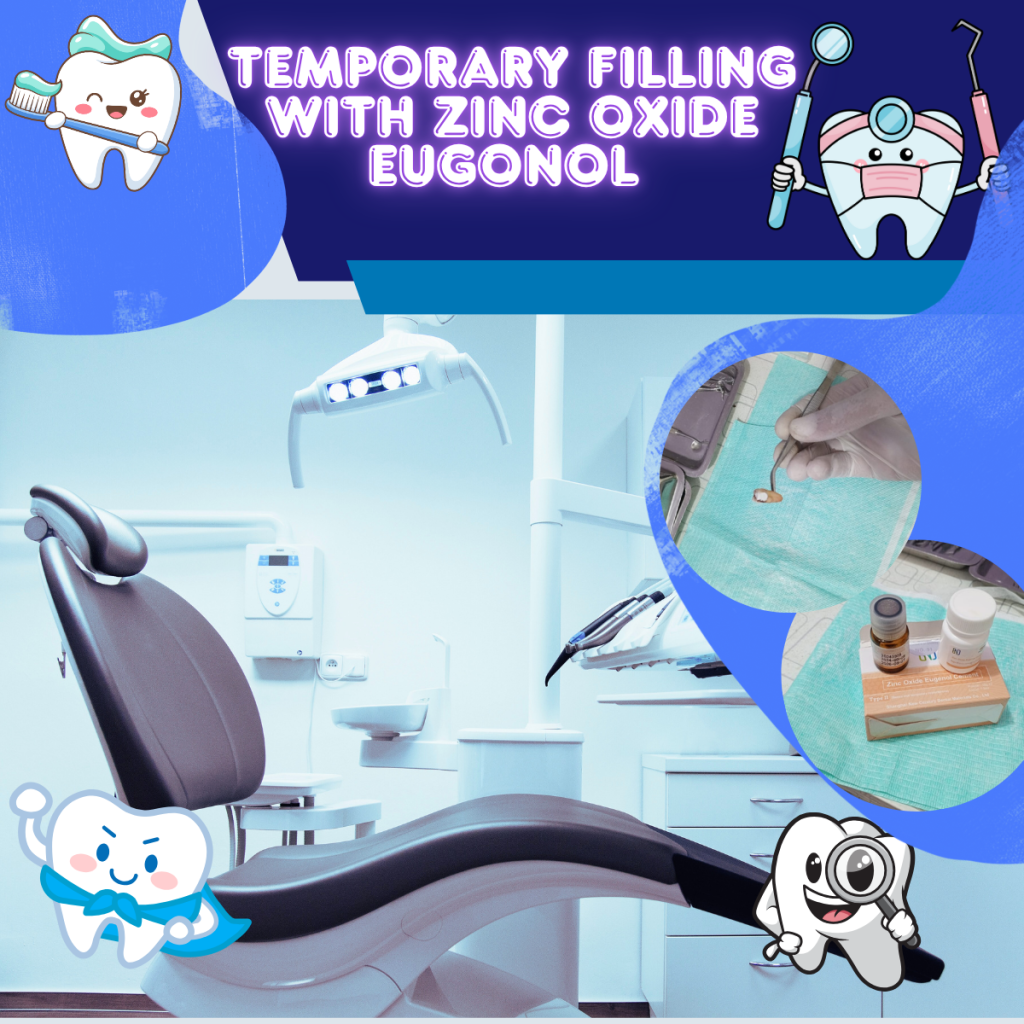
What Exactly Is ZOE Cement Filling?
ZOE is a mix of zinc oxide powder and eugenol oil from cloves, forming a paste that’s been used in dentistry for ages. It’s placed in cavities as a temporary seal to protect the tooth from food, bacteria, and sensitivity until permanent work like a crown or filling. Ideal for calming irritated pulp or after root canal prep, it’s biocompatible and releases eugenol for natural pain relief.
How It’s Applied in the Procedure
Your dentist numbs the area, cleans out decay, then mixes and packs the ZOE paste into the cavity. They shape it to match your bite and let it harden slightly—whole thing takes 10-20 minutes. No drilling needed if it’s just a seal; it’s quick for emergencies or between visits.
Benefits That Make It Popular
ZOE soothes nerves with its eugenol, fights infection, and seals well against leaks. It’s affordable, easy for dentists to work with, and gentle on sensitive teeth. Great for kids or folks with allergies to other materials, providing relief while buying time for healing.
Drawbacks to Keep in Mind
Not built to last—typically 1-4 weeks before wearing down or needing replacement. Can stain or have a strong taste, and eugenol might irritate if allergies exist. Avoid if permanent fixes are immediate, as it’s softer than long-term options.
Aftercare Tips for Best Results
Don’t chew hard or sticky foods on that side for a day—stick to soft stuff like yogurt. Brush gently around it, floss carefully to avoid dislodging. If it falls out or pain worsens, call your dentist ASAP. Regular check-ups ensure it holds until the real deal.
FAQs About Temporary ZOE Fillings
How long does it last?
Usually 1-4 weeks, depending on chewing habits—enough for temporary protection.
Does it hurt to get?
Minimal—with numbing, just pressure; eugenol helps soothe after.
Is it safe for everyone?
Mostly yes, but check for eugenol allergies; alternatives exist if needed.
What if it falls out?
Rinse mouth, save the piece if possible, and see your dentist for a redo—don’t DIY.
Better than other temps?
ZOE shines for pain relief; composites match teeth better but lack soothing properties.
Wrapping this simple guide on temporary tooth fillings with ZOE cement, it’s all about that quick, soothing rescue for your aching tooth—calming nerves, fighting bacteria, and buying time for the permanent fix without any fancy complications. Whether you’re dealing with a sudden cavity or midway through a root canal, knowing ZOE’s your go-to for pain relief and protection makes dental visits less daunting for beginners. If this breakdown has you feeling more prepared, chat with your dentist about it next time
