Physical Address
304 North Cardinal St.
Dorchester Center, MA 02124
Physical Address
304 North Cardinal St.
Dorchester Center, MA 02124

Ever walked out of a dental cleaning feeling like your teeth are smoother than ever, with that fresh, tingly sparkle you just can’t get from brushing alone? A dental scaler is the hero tool behind that magic—whether ultrasonic (vibrating away tartar with water spray) or hand-held (scraping precisely for detailed work)—designed to safely remove stubborn plaque, tartar buildup, and stains from above and below the gumline, preventing gum disease and cavities before they start. It’s the essential first step in professional cleanings that keeps your smile healthy and bright, even tackling hard-to-reach spots your toothbrush misses. In this simple guide for clean teeth, we’ll break down the top uses of dental scalers, how they work their wonders, and tips to make your next visit even better.
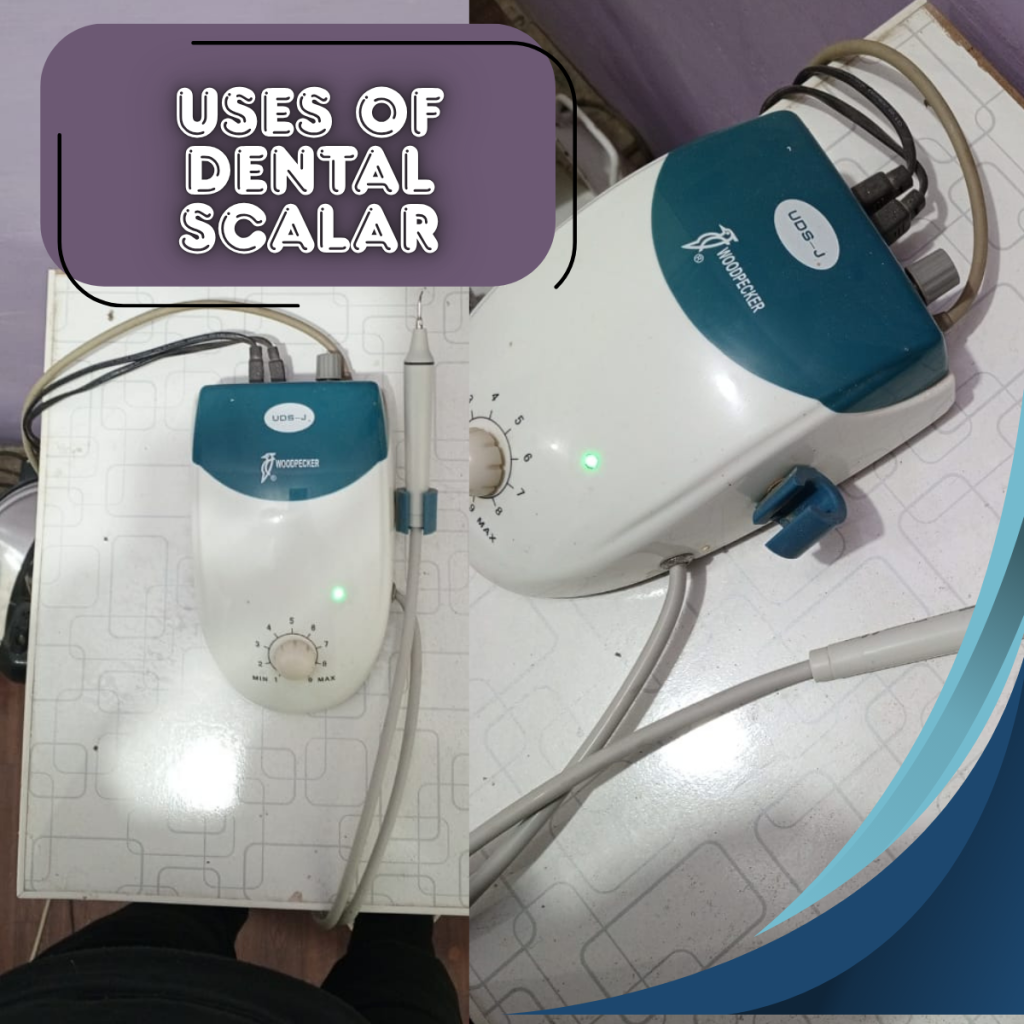
The Two Main Types of Dental Scalers
Hand scalers are curved metal tools your hygienist uses manually for precise scraping—great for fine work around gums. Ultrasonic scalers vibrate at high speed (20,000–45,000 times per second!) with a cool water spray to break up tartar and flush debris. Most cleanings combine both for the best results—ultrasonic for bulk removal, hand for finishing touches.
Top Everyday Uses in Cleanings
Tartar and plaque removal – Hardened calculus your brush can’t touch? Scaler blasts it off, stopping gum inflammation.
Stain busting – Coffee, tea, or smoking stains vanish for a whiter, brighter look (not bleaching, but close!).
Gum disease prevention – Cleans below the gumline to halt gingivitis or periodontitis early.
Smoothing roots – In deeper cleanings (scaling and root planing), it polishes roots so gums reattach better.
Prep for other treatments – Clears the way for fillings, crowns, or whitening.
Dentists use scalers every check-up—it’s why your teeth feel so slick afterward.
How It Feels and Why It’s Safe
That vibrating buzz from ultrasonic? Totally normal, and the water keeps things cool. Hand scaling feels like gentle scraping. Numbing gel if you’re sensitive. Modern scalers are designed not to harm enamel—pros control pressure perfectly. Safe for implants, braces, or veneers too, with the right tips.
Benefits Beyond Just Clean
Regular scaling cuts cavity risk, freshens breath (goodbye bacteria!), and even makes teeth look whiter naturally. It helps catch issues early—like cracks or decay—saving you bigger treatments later. Patients with braces or crowded teeth love how it reaches spots floss misses.
Home Scaling? (Quick Warning)
Electric “scalars” sold online? Skip them—they’re too harsh and can damage enamel or gums. Leave scaling to pros every 6 months; daily brushing and flossing do the maintenance.
FAQs About Dental Scalers
Does scaling hurt?
Rarely—mild tingling at most. Sensitive teeth? Ask for numbing gel.
How often should I get scaling?
Every 6 months standard; 3-4 if gum issues or heavy tartar.
Is ultrasonic scaler better than hand?
Both great—ultrasonic is faster and cools with water; hand is precise.
Can it whiten teeth?
Removes surface stains for brighter look, but not like bleaching.
Safe during pregnancy?
Yes—routine cleanings recommended, just mention it.
Wrapping up this simple guide to the uses of dental scalers, it’s clear this everyday tool is a total game-changer—gently blasting away tartar, smoothing your teeth for less plaque buildup, and giving you that fresh, polished sparkle that makes your smile feel brand new while keeping gum disease and cavities at bay. Whether it’s the buzzing ultrasonic magic or precise hand scaling, regular use during cleanings means healthier gums, brighter teeth, and fewer surprises at your next check-up—no wonder that “just cleaned” feeling is so addictive! If tartar or stains have been dulling your grin, book that scaling soon and feel the difference.
