Physical Address
304 North Cardinal St.
Dorchester Center, MA 02124
Physical Address
304 North Cardinal St.
Dorchester Center, MA 02124

Ever glanced at your dentist’s tray during a root canal and spotted that tiny, barbed tool looking like a mini harpoon, wondering what on earth it’s for? A barbed broach is a simple yet clever endodontic instrument designed specifically for quick pulp removal—its sharp barbs snag and pull out the soft nerve tissue from straight root canals in one gentle motion, kickstarting the cleaning process with minimal fuss or discomfort. It’s a classic first step for vital or necrotic pulp cases, helping reduce bacteria fast before shaping and filling. In this easy step-by-step guide for beginners, we’ll break down exactly what a barbed broach is, how it’s used safely, tips to avoid common mistakes, and why it’s still a favorite in modern endo kits. Ready to demystify this little hero and feel more at ease with your next treatment?
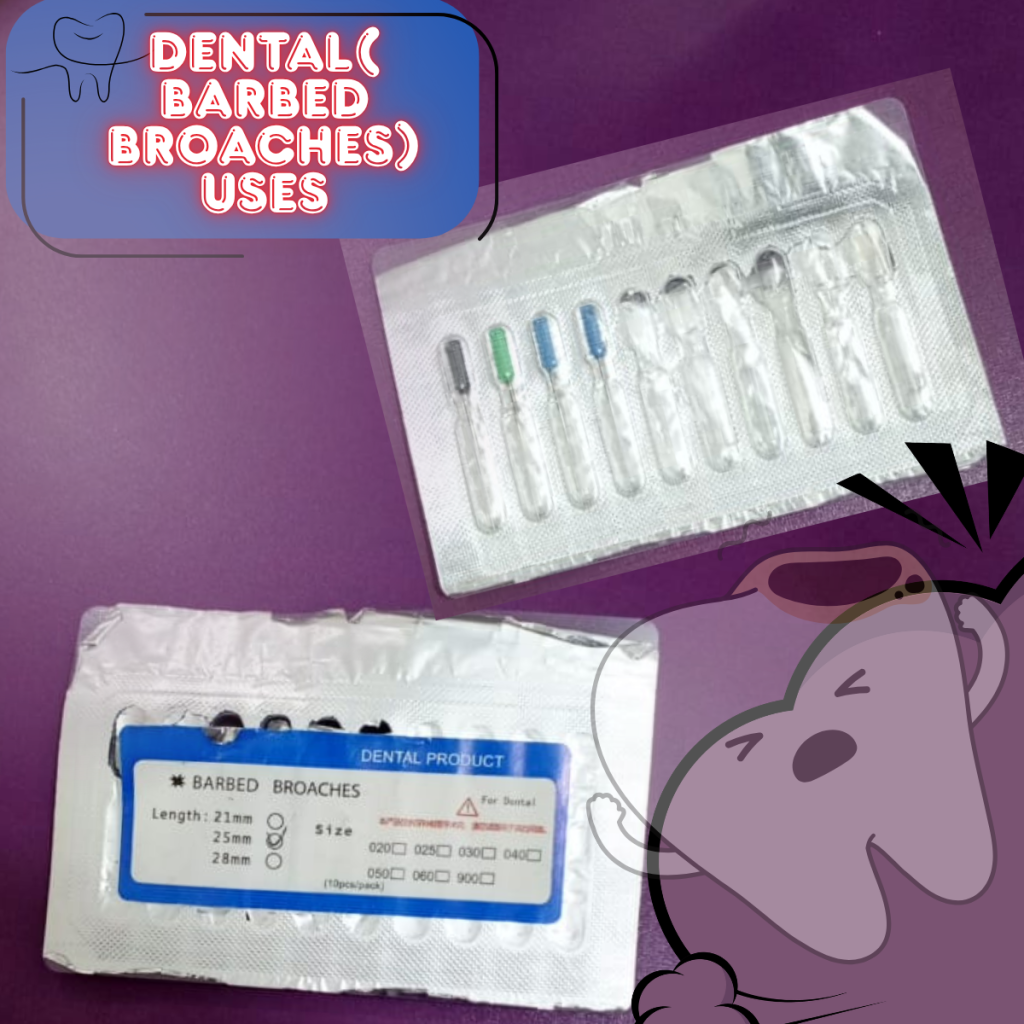
What Makes a Barbed Broach Special
This thin, flexible wire has tiny barbs angled backward along its tip, like fishhooks, to grab and extract pulp without digging into canal walls. Made from stainless steel and disposable for safety, it’s color-coded by size (fine for narrow canals, coarse for bigger ones). Unlike files that scrape, broaches “hook and pull”—perfect for loose or vital pulp in straight roots.
When Dentists Reach for It
Mainly during initial root canal access for removing inflamed or dead pulp tissue. Great for straight canals in front teeth or premolars, or when pulp is “stringy” and easy to snag. Not for curved roots (risk of breakage) or heavy calcification—files take over there. It’s quick for emergencies like acute pain from pulpitis.
Step-by-Step: How It’s Used Safely
1 .Numbing and Access – Local anesthesia first, then open the tooth crown to reach the pulp chamber.
2.Estimate Length – Apex locator or X-ray for working length—never guess.
3.Choose Size – Start small (#Fine or XXXF) to avoid snapping.
4.Insert Gently – Push broach to estimated depth with light pressure until resistance.
5.Twist and Pull – Rotate 1/4 turn clockwise to engage barbs, then withdraw slowly—pulp comes out attached.
6.Repeat if Needed – 2-3 passes usually clear it; irrigate between.
7.Move to Files – Broach only removes bulk—files shape and clean next.
Whole pulp extirpation takes seconds if done right—patients barely feel it.
Pros That Keep It in the Kit
Super fast for vital pulp removal
Minimal instrumentation trauma
Reduces bacterial load instantly
Low cost and disposable—no sterilization worries
The Real Risks (And How Pros Avoid Them)
Can fracture if forced into curves—always pre-bend slightly if needed and use light touch. Barbs might leave fragments if over-rotated—limit to 1/4 turn. Not for calcified or S-shaped canals—switch to files early. Modern clinics use it sparingly with rotary systems, but it’s still gold for straightforward cases.
Alternatives When Broach Isn’t Ideal
Hand K-files or C+ files for safer removal
Rotary NiTi for curved canals
Hedstrom files (similar barbs but stronger)
Ultrasonic tips for precision
Your dentist chooses based on X-rays and canal anatomy.
FAQs About Barbed Broach Pulp Removal
Does it hurt?
With good numbing, no—just mild pressure. Patients often say “that’s it?”
Is it safe?
Yes when used correctly—disposable and single-pass reduces risks.
Why not always use rotary files?
Broach is quicker for loose pulp; rotary shines for shaping.
Can it break inside the tooth?
Rare with proper technique—pros retrieve easily if it happens.
Okay for kids?
Absolutely—fast and gentle for milk teeth pulp therapy.
Wrapping up this step-by-step on the barbed broach for pulp removal, it’s amazing how this simple, spiky little tool can make the start of a root canal so quick and effective—snagging that soft tissue in straight canals with one gentle pull, reducing bacteria fast and setting the stage for a smooth, successful treatment without unnecessary drama or pain. For beginners or anyone anxious about endo, knowing it’s a precise, disposable hero (used only when it fits the case) takes a lot of the mystery—and fear—out of the process, helping you feel more in control during your dental visit.
