Physical Address
304 North Cardinal St.
Dorchester Center, MA 02124
Physical Address
304 North Cardinal St.
Dorchester Center, MA 02124

Dealing with a throbbing toothache that won’t quit, or worried an infection might mean losing a tooth altogether? Root canal treatment is a lifesaver for infected teeth, where your dentist carefully cleans out the damaged pulp inside the tooth’s root, removes bacteria, and seals it up to stop the infection from spreading—saving your natural tooth without the need for extraction and restoring your smile’s comfort and function. It’s far less scary than the myths suggest, with modern numbing making it as routine as a filling. In this straightforward guide, we’ll break down what root canal treatment really involves for infected teeth, step-by-step expectations, recovery tips, and why it’s often the best choice for long-term oral health.
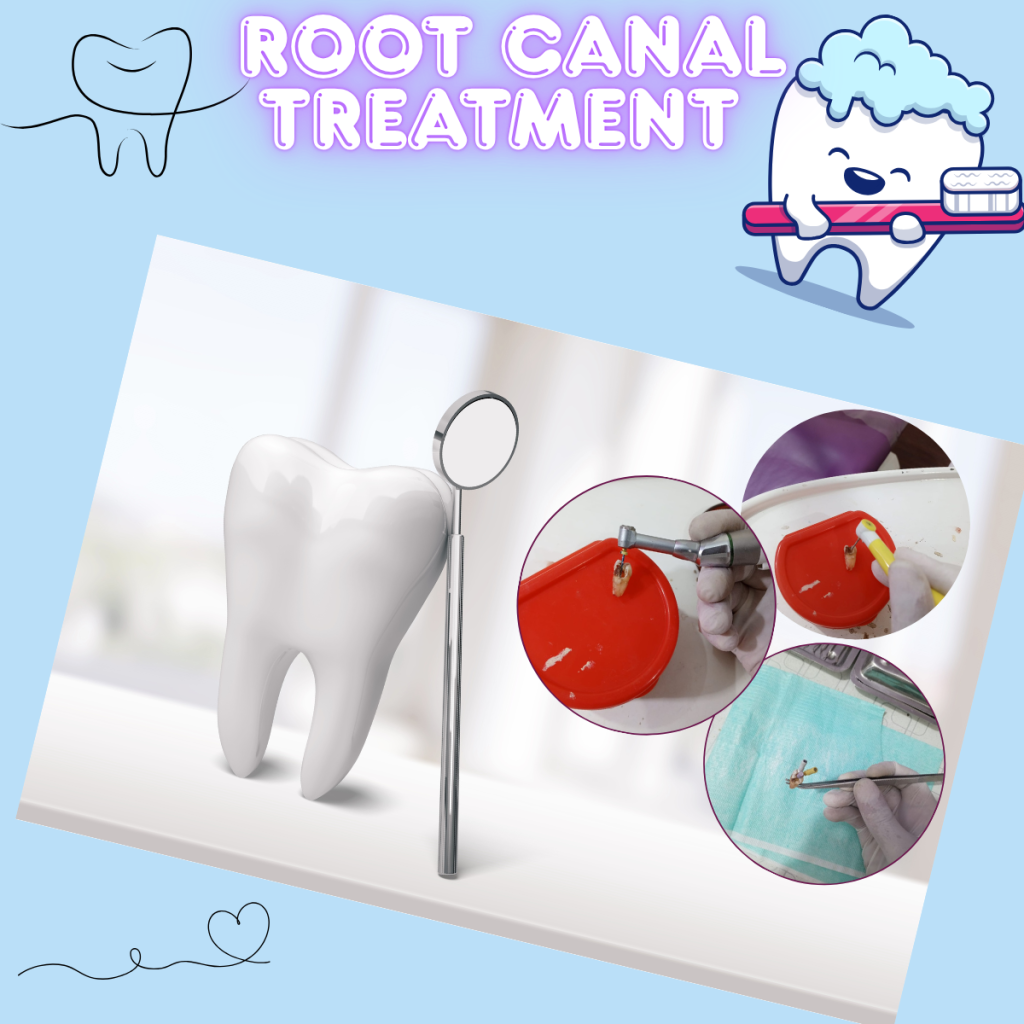
Why Root Canal for Infected Teeth?
An infection hits when bacteria invade the pulp—the soft tissue inside with nerves and blood vessels—usually from deep decay, cracks, or trauma. Symptoms like severe pain, swelling, or sensitivity scream for action. Root canal clears the mess, prevents abscesses, and saves the tooth, beating extraction which leaves gaps needing bridges or implants. It’s common for neglected cavities from sugary chai or snacks.
The Procedure Step by Step
It usually spans 1-3 visits. First, numbing shots ease discomfort, then the dentist drills an access hole, removes infected pulp with tiny files, and cleans the canals. They shape them, fill with gutta-percha (a rubbery seal), and top with a temporary filling. Final visit adds a crown for strength—whole thing takes 30-90 minutes per session.
Preparing for Your Appointment
Tell your dentist about meds or allergies—antibiotics might pre-empt if infection’s bad. Eat light beforehand, arrange a ride if sedated. Skip if you have uncontrolled diabetes or heart issues without clearance.
Recovery and Aftercare Tips
Expect mild soreness for a few days—ibuprofen helps. Soft foods like daal or yogurt for a week, no chewing on that side. Rinse with saltwater, brush gently. Healing takes 1-2 weeks; avoid smoking to prevent complications. Follow-ups ensure no reinfection.
Potential Side Effects
Most sail through fine, but watch for swelling, fever, or bite issues—rare but call if pain worsens after days. Failed treatments (under 5%) might need retreatment or extraction. Good hygiene prevents repeats.
Why Choose Root Canal Over Pulling?
It keeps your natural tooth, maintains bite alignment, and avoids bone loss from gaps. Always a dentist’s call based on infection spread.
FAQs About Root Canal Treatment
Does it hurt?
Modern numbing means little during—post-op ache is like a filling, gone in days.
How long does it last?
95% success rate; with a crown, 10-15 years or more.
Is it safe for kids?
Yes, for infected baby teeth to save space for permanents—gentler in pediatric clinics.
Can I eat right after?
Wait till numbness fades; start soft to avoid biting your cheek.
What’s the alternative?
Extraction if infection’s too bad, but root canal saves the tooth whenever possible.
Wrapping up our look at root canal treatment for infected teeth, it’s clear this procedure is a true tooth-saver—clearing out infection, easing that relentless pain, and letting you keep your natural smile intact without jumping straight to extraction, all while modern techniques keep it comfy and quick. Whether you’re dealing with knowing the basics empowers you to chat confidently with your dentist and catch issues early for smoother recovery.
